
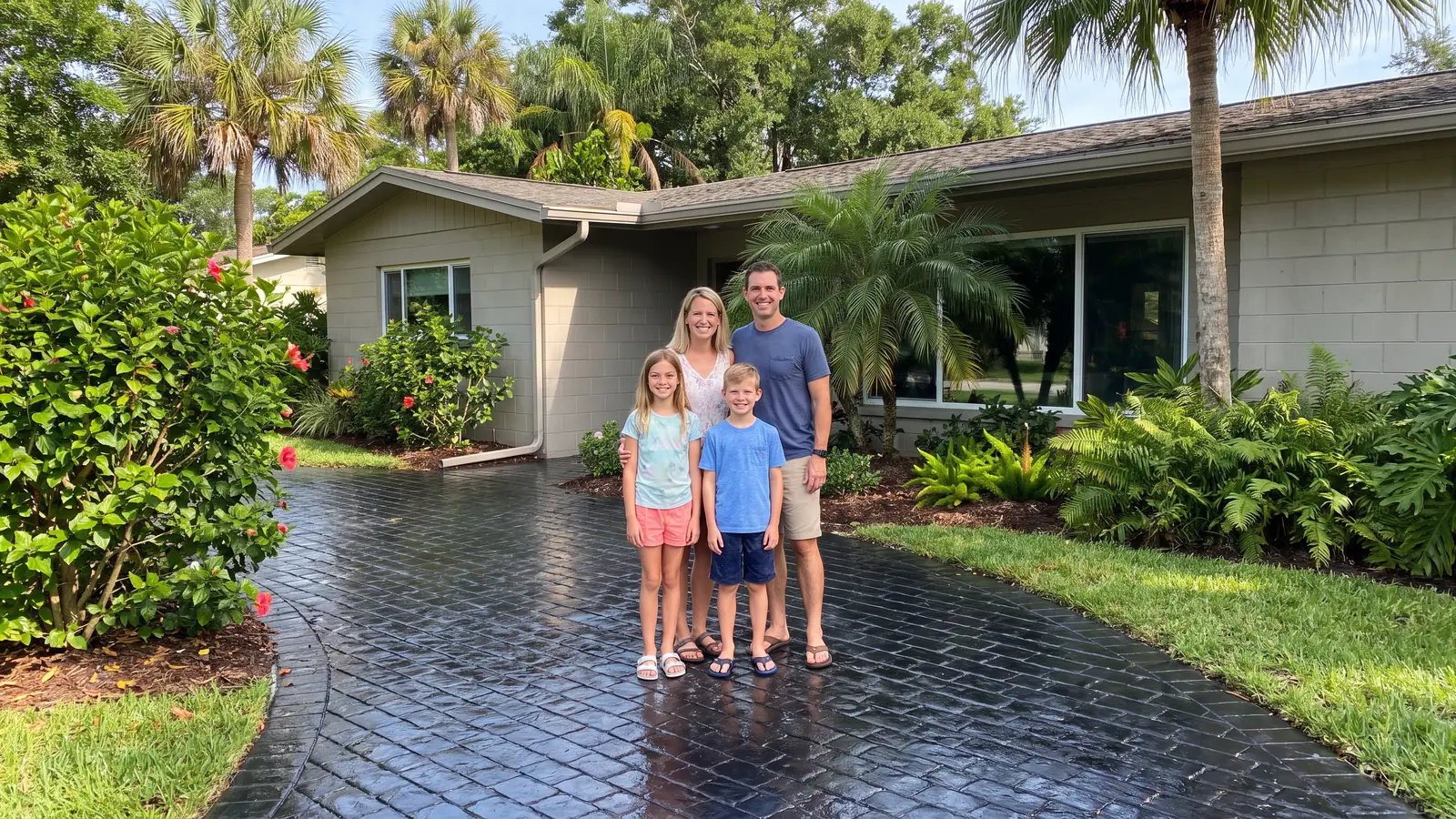
Paver sealing for Sandalwood homes
Paver Sealing in Sandalwood, FL
Sandalwood driveways take tire wear daily, and a local contractor can clean, sand and seal them, so call (904) 901-6561.
- Brings out deeper paver color
- Fresh joint sand helps lock pavers in place
- Gives weeds less room to grow
- Makes the surface easier to keep clean
- Free estimate, no obligation
Request a Free Estimate
Free, no obligation.
Fast, careful paver sealing in Sandalwood
Paver sealing is available in Sandalwood, from the streets near Beach Boulevard out to the newer townhome blocks. A local contractor will clean, re-sand and seal your driveway, walkway, patio or pool deck. The estimate is free. Anytime you want a number, send a quick request, and an answer comes within 1 business day, usually much sooner.
Most errands in Sandalwood take a car, so your driveway works hard. Tires turn on it every day, and over the years the joints open up, the color dulls and weeds poke through. Call (904) 901-6561 and describe yours, even if all you can say is that it looks tired. After washing, fresh sand and a new coat, the pavers can return to one clean, even color.
Why hire a local paver sealing contractor in Sandalwood?
Sandalwood grew up as a planned subdivision and kept growing, so a street here may hold 1960s ranches next to townhomes from this century. A local contractor knows to ask which kind you own, so send a quick request.
The look costs nothing
A contractor visits, measures your Sandalwood driveway and gives you a price. There is no charge for the visit and no pressure to sign.
A range to measure against
Local companies list $1.75 to $3.25 per square foot for the whole job. Use it to size up any Sandalwood quote.
Driveway first, if you like
Start with the part that sees the tires. Add the walkway or patio later, or bundle them in one visit.
No pressure to book
You choose the finish and the day. The contractor will answer any question you have.
Get Your Free Estimate in Sandalwood
Tell us about your pavers in Sandalwood.
Free, no obligation
What paver problems show up most in Sandalwood?
Turning tires on a busy driveway
Walk Score calls Sandalwood car-dependent, since nearly every errand takes a car. A Jacksonville paver company says vehicle weight and turning tires loosen joint sand. That is why the apron and the curve near the garage open up first. Gaps there let water reach the base, which is how sunken spots start. Sealing keeps the sand in, but it cannot lift a low paver, so dips get reset first. The median Sandalwood home is about 1,388 square feet, so a driveway and a front walk may be most of the paver area you have.
Sand and water, every summer
The USDA's Pottsburg soil, named for a creek that runs through southern Arlington, is sand or fine sand with a water table that can sit within two feet of the surface. The year brings about 52 inches of rain, mostly May to September, often in short downpours. Joint sand does not stay put in those conditions, and one hard storm can carry a visible line of it into the street. Once it is gone, soil, weeds and ants move in. Fresh sand and a sealed joint give the water less to carry away. The creek itself empties into the Arlington River, and the retention ponds that feed it show how much water the area handles.
Algae where the roof drips
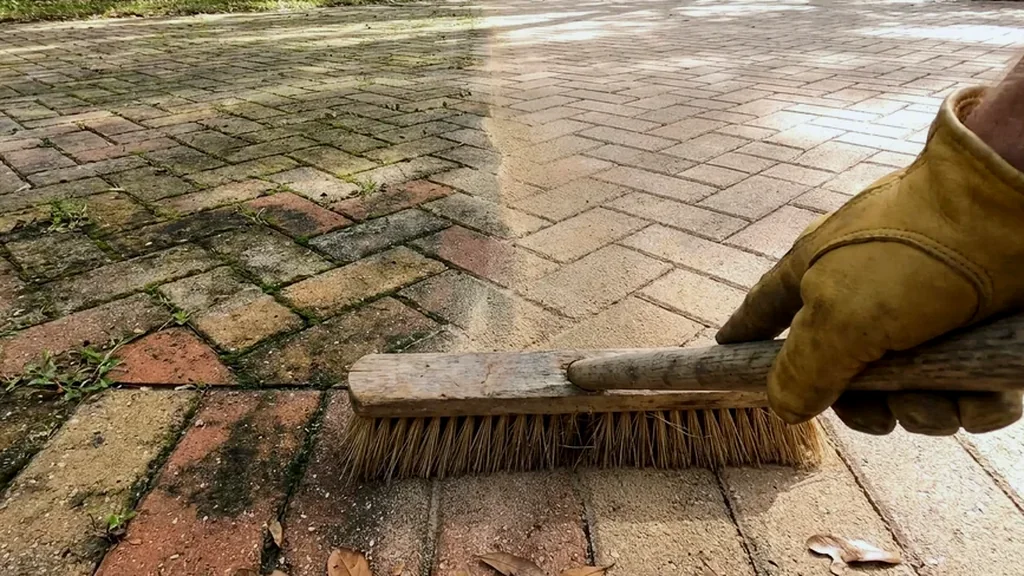
Moss and algae mostly grow where shade keeps pavers wet, says a paving trade article. In Sandalwood that is often the north side of the house, a covered porch edge or a spot under a mature oak. The green film looks like a stain, but it is growth. It has to be washed off before sealer goes down, because the coat would seal the growth in and leave a dark patch under a shiny finish. Covered porch edges and the strip along the garage wall are good places to check first.
Fading in full sun
One Jacksonville company says UV exposure fades paver color over a few seasons. Another says driveways in full sun need a fresh coat about every 18 to 24 months. A south-facing Sandalwood driveway with no tree cover fits that description. A chalky or washed-out look means the coat is wearing thin, and so does water that soaks in and darkens the paver instead of beading. Fading starts at the surface, so a lighter patch where cars park is a warning sign.
Two sealers that do not mix
Sandalwood homes date from 1960 on, and the median home is from 1973, so many pavers have had more than one owner. A past owner may have used a solvent-based product, and water-based sealer cannot go over it. The contractor tests the surface first and plans around what is there. Peeling, white patches or a sticky feel are hints about the old coat. Sandalwood's streets include Kusaie Drive, Java Drive and Hawaii Drive, and any of them may carry a coat from a past owner.
How old are the homes in Sandalwood, and does it change the job?
It can, because Sandalwood spans several decades of building. It began in spring 1960 from the developer Pearce-Uible, and a real estate profile puts the median home at 1973 and about 1,388 square feet. Older homes may have pavers added later and sealed more than once, so tell the contractor your build year when you send a quick request.
Streets like Majuro Drive, Mindanao Drive and Kusaie Drive sit in the older core. NeighborhoodScout reports that the Sandalwood East area is mostly single-family homes and townhomes, with 78.2 percent built after 1999. Older lots tend to have taller trees and pavers added by an owner years later. Newer blocks have fresh builder pavers and young landscaping, so call (904) 901-6561 and say which one sounds like yours, and the contractor will plan from there.
Homes under an HOA add one more step. The association can review a change only when its declaration or published guidelines give it that power, and it has to treat every owner alike. A change in sealer finish may or may not count, so read your documents first. If they are silent, a short note from the board is worth having, and then you can send a quick request.
What does paver sealing cost in Sandalwood?
Local companies commonly list their price at $1.75 to $3.25 per square foot for cleaning, sanding and sealing. A Sandalwood job moves within that range with its size, its stains and whether old sealer has to come off first. A wide two-car apron plus a walkway adds up faster than a single patio, even at the same rate per foot, because the area is larger. For a number on your pavers, send a quick request.
Detail work adds time. Oil by the garage, rust from sprinklers and green growth under an overhang all take extra passes, and so does a tight side yard or a locked gate. Mention them when you call (904) 901-6561, so the quote matches the job you have, and send a photo of each trouble spot.
| Paved area | Typical example | Clean, sand and seal |
|---|---|---|
| 300 sq ft | Small patio or walkway | $525 to $975 |
| 600 sq ft | Two car driveway | $1,050 to $1,950 |
| 1,000 sq ft | Large driveway or pool deck | $1,750 to $3,250 |
| 1,500 sq ft | Driveway plus pool deck | $2,625 to $4,875 |
Math based on the $1.75 to $3.25 per square foot that Northeast Florida paver companies publish. Your contractor sets the actual price after seeing the surface. Repairs, leveling and stripping failed sealer are usually extra.
How does a paver sealing job work in Sandalwood?
Walk the driveway and the edges
The contractor walks your Sandalwood pavers and measures every surface to be sealed, from the driveway to the front walk and the back patio. Low spots and loose edges are marked, because sealer keeps any dip it covers. Older coats are tested to see whether water-based sealer can go on. You hear the plan and the price before anything starts, and you can ask any question you like. Edges near the street and the apron get extra attention, since that is where tires loosen the sand first.
Wash away growth and grime
Washing removes the green film, tire marks and dirt from the whole surface, edges included. Oil and rust are pre-treated first, since soap alone rarely lifts them. A few deep stains may fade without disappearing, and the contractor will tell you which ones to expect. Pressure is kept modest so the washing does not strip the joint sand faster than it needs to. Tire marks and oil near the garage door often need a second pass.
Refill the joints
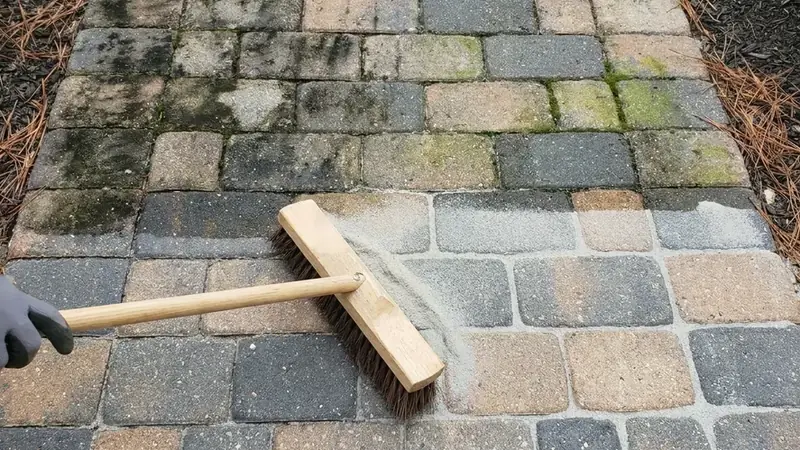
Washing takes joint sand with it, so fresh sand goes back in. Full joints slow weeds and ants and stop the pavers from shifting. Tinted sand is a choice for joints that match the stones. The sand is swept in and compacted until the joints are full. A full joint also gives weeds and ants less room to settle.
Give it time to dry
Damp pavers can turn the sealer white or cloudy. Many makers want about 24 hours of dry time after washing. On a shaded Sandalwood walk, drying can take longer than on a sunny drive. The contractor checks the surface before starting rather than guessing, since wet pavers are the main reason sealer goes cloudy. Shaded walks can take a second day, while a sunny drive may be ready by the next morning.
Seal and stay off
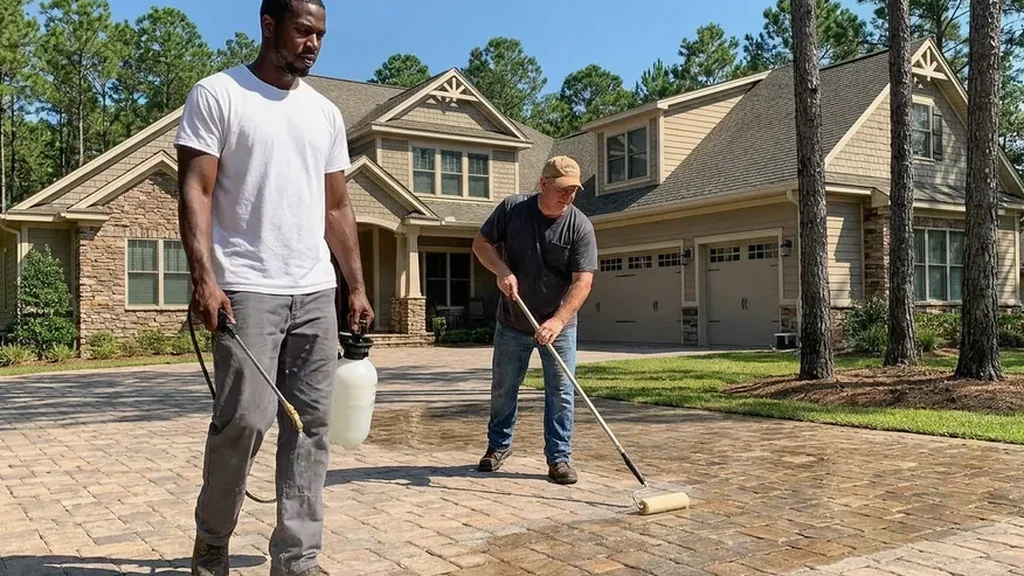
The sealer is sprayed in an even coat, then back-rolled so it works into the joints and does not puddle. Most driveways are done in a day. Keep cars off for about a day and keep sprinklers away from the pavers until it cures. Walking is usually fine after a few hours, so you can get to the mailbox that afternoon. A card in the garage with the product name makes the next coat simple to match.
Complete paver services in Sandalwood
Your Sandalwood driveway gets four steps: a wash, fresh sand in the joints, a dry-out and then sealer. The order matters because sealer locks in whatever is under it, whether that is clean stone or a film of dirt. Walkways and pool decks follow the same path. For the schedule on your pavers, call (904) 901-6561.
Most Sandalwood jobs start with the driveway because it takes the most wear, and the contractor looks at the apron and the turning curve first. A shaded walkway may only need a lighter touch, while a pool deck usually gets a sealer that does not leave a slick film. Pavers beside the garage door often have oil and rust spots that are treated first. Tell the contractor about them when you send a quick request, and mention any spot where water pools after a storm.
As for the sealer, you choose a base, water or solvent, and a sheen, matte or wet look. Acrylics cost less and can scratch more easily, while polyurethanes are tougher and usually cost more. A wet look shows scuffs sooner than matte. Call (904) 901-6561 and the contractor can explain which fits your driveway.
Weather decides the date. One maker asks for 24 dry hours after rain or washing and another 24 of dry weather to cure. Jacksonville's rain comes mostly from May to September in short, hard bursts, so spring and autumn are often easier. To pick a day, send a quick request.
Questions to ask before you hire
- How often do pavers like mine need a fresh coat in Jacksonville weather?
- If I only want the pool deck done, is that a smaller job with its own quote?
- Is refilling the joint sand after the wash part of the price?
- Can I leave a key or gate code, or must I be there at the start?
- Can the job be done in sections so I can still park a car?
- Where does the sealer go if it drips onto my shrubs or into the pool?
- Will I see the measured area and the rate on the quote before I agree?
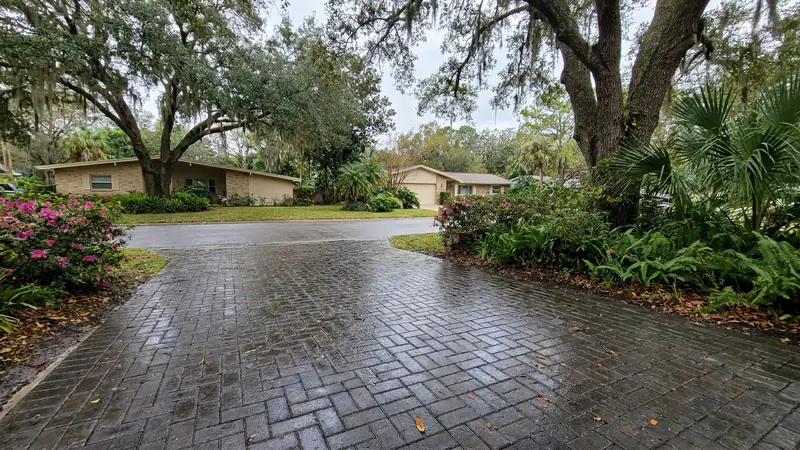
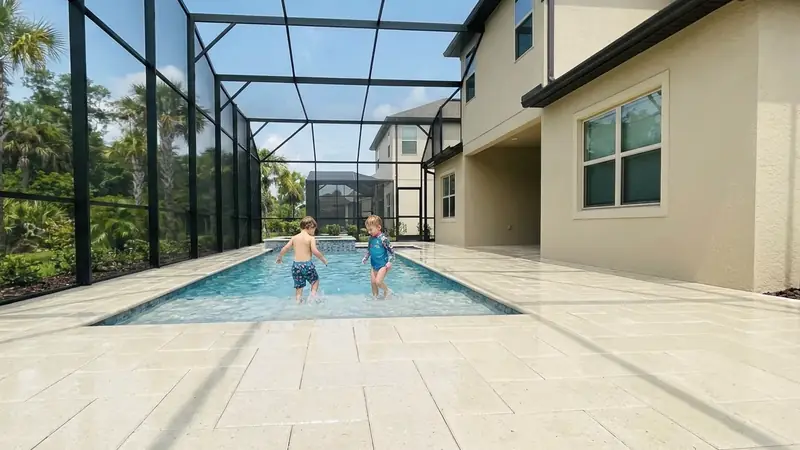
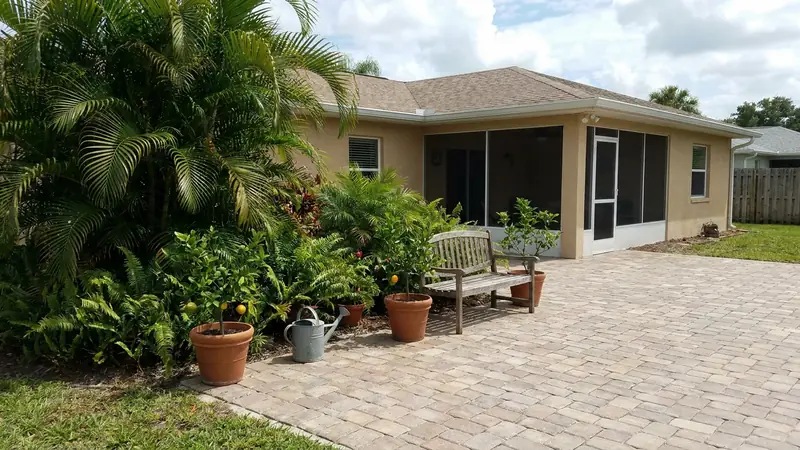
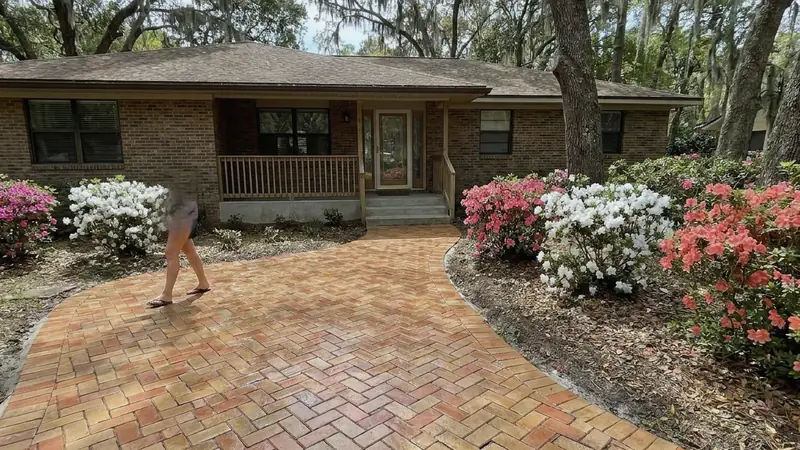
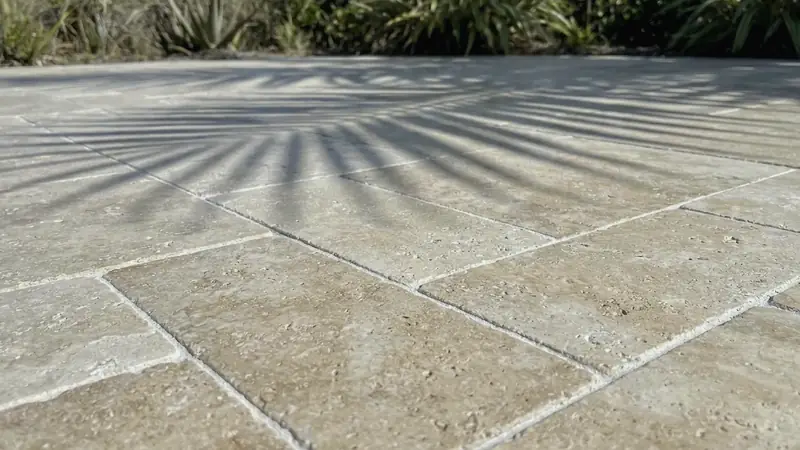
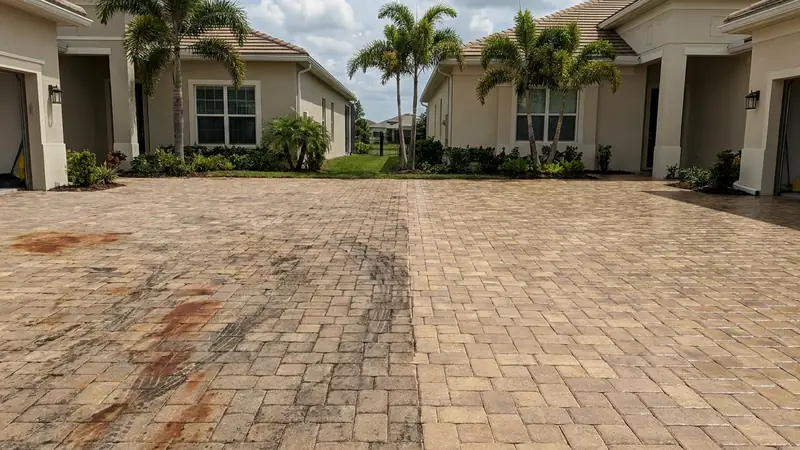
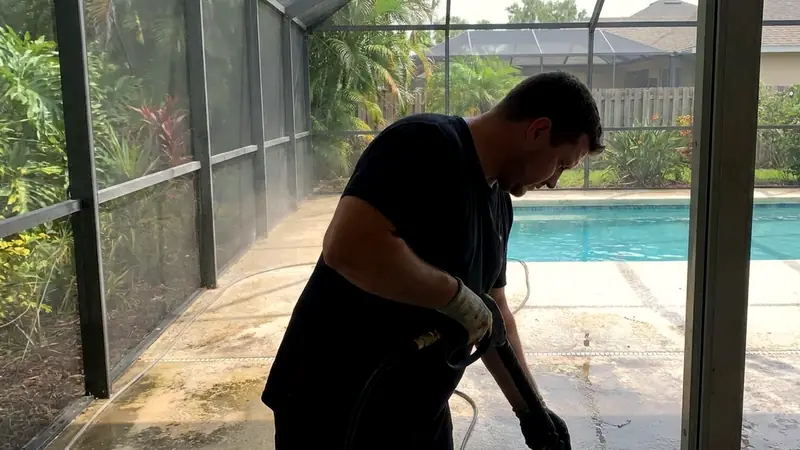
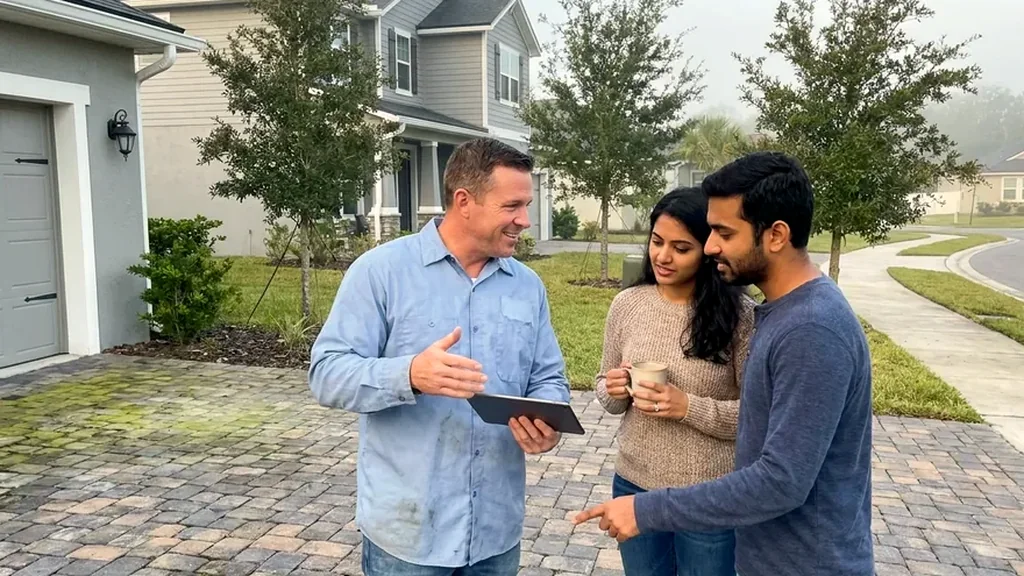
What do sealed pavers look like around Sandalwood?
Why local matters in Sandalwood
A contractor who works Sandalwood knows the streets run from 1960s ranches to townhomes built after 1999. The older ones need a hard look at what past owners did, and the newer ones need to know the pavers are fresh. Call (904) 901-6561 and ask which sealer is safe for your age of home.
Sandalwood sits near Pottsburg Creek on flat, sandy ground, where summer storms arrive fast and water drains slowly from low spots. A local contractor plans a sealing day with that in mind and avoids a forecast that will ruin the dry window. Ask how the work is scheduled around a dry window, and whether a rain day costs extra. You can send a quick request to start that conversation.
Then there is the daily use. In a place where nearly every errand needs a car, the driveway is the surface people judge first. A local contractor knows which parts of a drive wear out first and where to look, such as the apron and the turning curve. If that sounds like your drive, send a quick request and describe the wear you see.
Where did Sandalwood come from, and what is nearby?
Sandalwood started in 1960 as one of the planned subdivisions that spread across the Arlington area after the Mathews Bridge opened in 1953. Developer Pearce-Uible also built Southside Estates, San Jose and Arlington Manor. Sandalwood High School opened in 1971, and in summer its outdoor pool becomes a free public pool. If your walkway needs work near the school, send a quick request.
The Florida State College at Jacksonville south campus sits on Beach Boulevard, and Pottsburg Creek flows through southern Arlington not far away. Walk Score names Park Ridge, Beachwood and Atlantic Boulevard Estates among the nearby neighborhoods. Wherever you are in that mix, call (904) 901-6561 and give the contractor your street.
Frequently Asked Questions
Is it good to seal pavers in Florida, and in Sandalwood?
Yes. Most driveways and patios gain from it, since a sealed joint holds its sand and weeds and ants have less to work with. Sealing also shields the color from sun, and dirt and algae hold on less to a sealed surface. Quoted spans run two to five years from one coat to the next, and a driveway in full sun tends toward the low end.
Can pavers be cleaned, sanded and sealed in one visit in Sandalwood?
Yes, a local contractor does the washing, the fresh sand and the sealer as one job. Sealing comes last, once the surface is dry, so nothing dirty gets locked underneath. A typical driveway is finished in a day, and the surface should stay free of cars for about a day after that. Walking is usually fine after a few hours, so you can get to the mailbox that afternoon.
How long do paver sealers last in Sandalwood?
Quotes run two to five years between coats, and the exact span depends on sun and traffic. A Jacksonville paver company suggests a fresh coat every 18 to 24 months in full sun and every 24 to 36 months on shaded walks. A coat that no longer beads water and lets it soak in is spent. Chalky color and eroding joint sand are other signs.
Why is paver sealing so expensive in Sandalwood?
Prep is the larger share of the labor, with one Jacksonville company putting it at two to three hours for each hour of sealing. Washing, stain treatment, fresh sand and the dry-out all come before any sealer. Companies in this region list $1.75 to $3.25 per square foot, and a small job can cost more per foot. A bigger area, like a drive plus a walk, often brings the rate down.
How much does paver sealing cost in Sandalwood?
Expect $1.75 to $3.25 per square foot, the range companies in this region commonly publish for cleaning, sanding and sealing. Size, stains and old sealer move the number. The contractor measures first, so the quote shows the area and the rate, and the total is easy to check against the published range.
What happens if my Sandalwood pavers were sealed before?
Before any new sealer goes down, the contractor must find out what the old coat is. A water-based sealer cannot go over a solvent-based one, and failed or peeling coats may need stripping. Stripping adds time, which is why the check happens before the quote is final. Pass along any receipt, product name or photo of the old can.
Does my Sandalwood HOA need to approve a new sealer?
It depends on your declaration. Florida limits a homeowners association to its written rules and requires it to treat owners alike. A natural look is less likely to draw questions than a high gloss. Ask the board for a note if the rules do not say.
What time of year suits paver sealing in Sandalwood?
Dry days matter more than the season. Sealer needs a dry surface and a dry day after, and Jacksonville's rain comes mostly from May to September. One Jacksonville company says spring and fall often offer the steadiest weather. Never seal right before a forecast downpour.
Ready for a Free Estimate in Sandalwood?
Call (904) 901-6561 and tell us about your pavers.
Free, no obligation